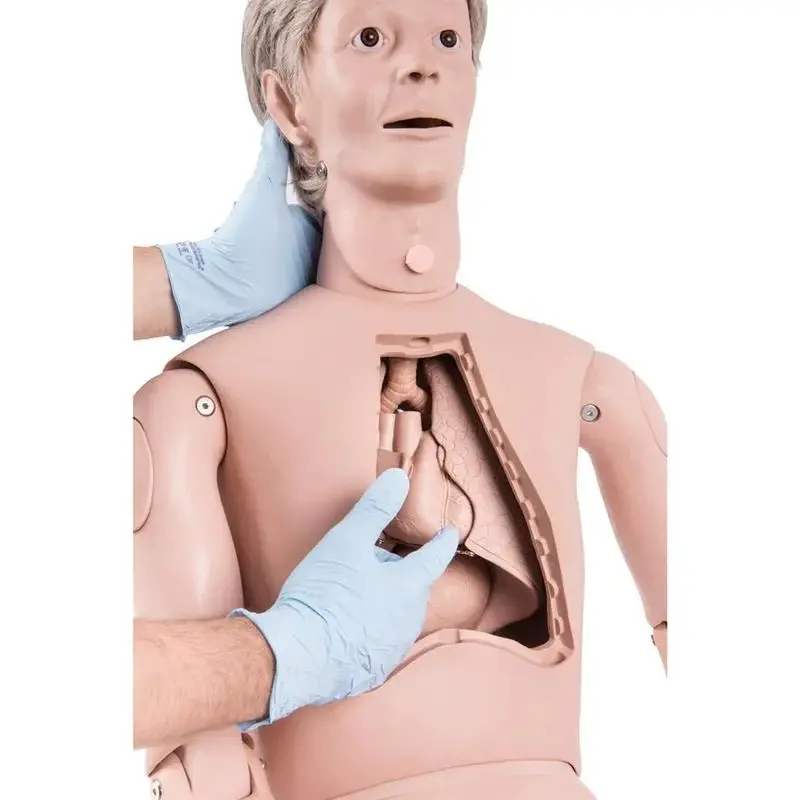
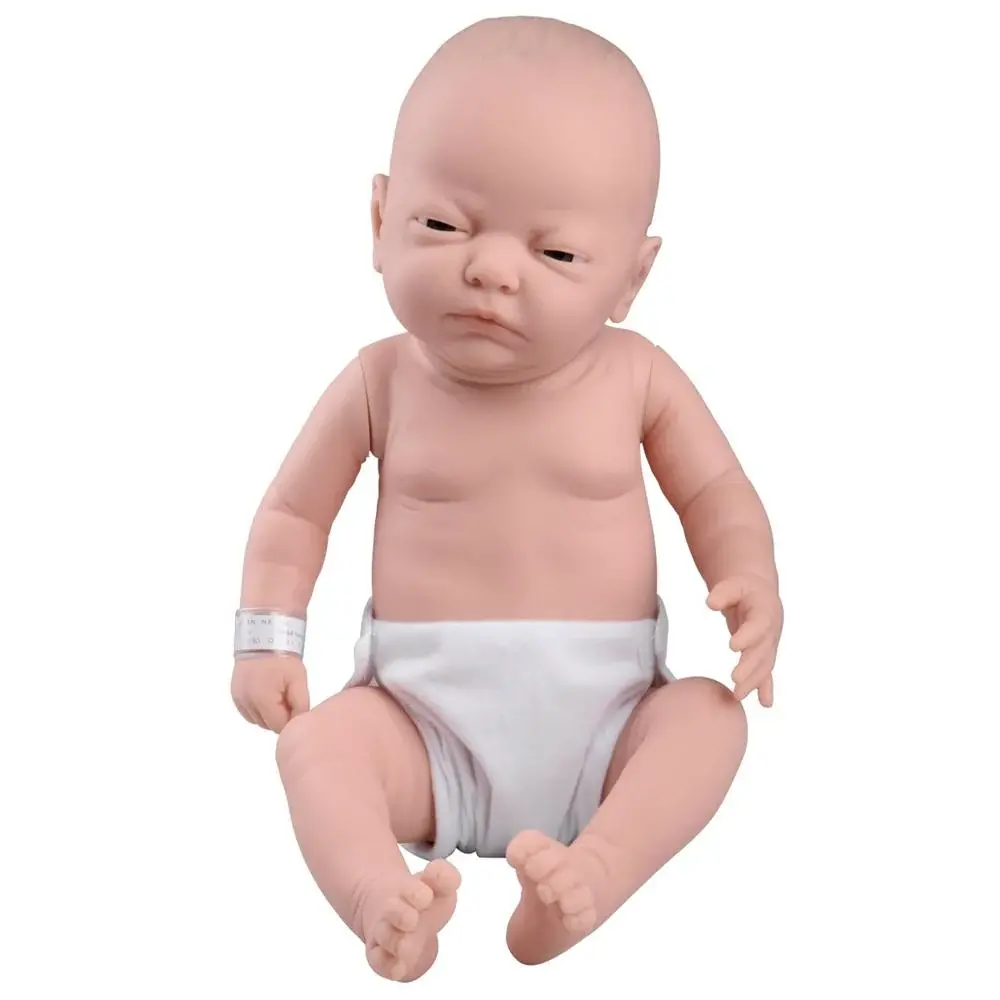
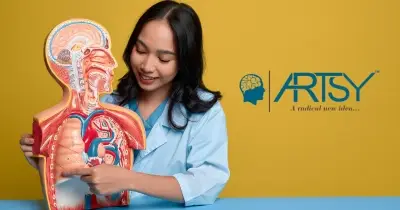
The ARTSY Advanced Life Support (ALS) Training Manikin is a high-fidelity clinical simulation trainer designed to teach advanced emergency resuscitation, airway management, cardiac life support, and critical care procedures. It enables BAMS students, interns, faculty, and healthcare professionals to practice life-saving interventions in a realistic and controlled simulation environment.
The manikin supports comprehensive Advanced Life Support training, including airway management, endotracheal intubation, intravenous access, ECG rhythm recognition (model dependent), defibrillation, medication administration, CPR, and emergency patient management. It is an essential training solution for competency-based medical education and emergency skill development in Ayurveda medical colleges.
Applications in BAMS Departments
Swasthavritta & Yoga
- Advanced emergency preparedness
- Disaster management training
- Community emergency response
- Cardiac arrest management
- Emergency medical simulation
Kaumarbhritya (Pediatrics)
- Pediatric emergency care awareness
- Airway management demonstrations
- Advanced resuscitation principles
- Clinical emergency drills
Prasuti Tantra & Stri Roga
- Maternal cardiac arrest management
- Obstetric emergency simulations
- Pregnancy-related emergency care
- Advanced airway management
- Postpartum resuscitation
Shalya Tantra
- Trauma patient management
- Surgical emergency simulation
- Pre-operative and post-operative emergency care
- Advanced airway procedures
- Defibrillation training
- Critical patient stabilization
Shalakya Tantra
- Emergency airway support
- Clinical emergency management
- Oxygen therapy demonstration
- Advanced patient monitoring
Panchakarma Department
- Management of medical emergencies during Panchakarma procedures
- Syncope management
- Cardiovascular emergency response
- Patient stabilization techniques
Rog Nidan & Vikriti Vigyan
- Advanced patient assessment
- ECG interpretation demonstrations
- Cardiac rhythm recognition
- Clinical emergency diagnosis
- Vital signs monitoring
Agad Tantra (Toxicology)
- Poisoning emergencies
- Snake bite management
- Drug overdose simulation
- Emergency stabilization
- Airway and circulation management
Internship & Clinical Skill Laboratory
- Emergency ward training
- ICU simulation
- Hospital skill development
- Clinical competency assessment
- Advanced resuscitation practice
- OSCE/OSPE practical examinations
Key Features
- High-fidelity adult patient simulator
- Realistic anatomical landmarks
- Advanced airway management
- Oral and nasal intubation
- Laryngeal Mask Airway (LMA) insertion
- Endotracheal intubation practice
- Bag-Valve-Mask (BVM) ventilation
- Chest compression feedback
- ECG rhythm simulation (model dependent)
- Defibrillation and cardioversion practice
- Intravenous (IV) cannulation training
- Intramuscular injection sites
- Intraosseous access (selected models)
- Pulse generation at multiple sites
- Blood pressure measurement simulation
- Breath sounds and heart sounds (advanced models)
- Drug administration practice
- CPR performance monitoring
- Replaceable airway and lungs
- Durable medical-grade construction
- Easy maintenance and cleaning
Skills Covered
Students learn to perform:
- Advanced Cardiac Life Support (ACLS) principles
- High-quality CPR
- Airway assessment
- Endotracheal intubation
- Laryngeal Mask Airway insertion
- Bag-Valve-Mask ventilation
- Oxygen administration
- Defibrillation
- Cardiac rhythm recognition
- Intravenous cannulation
- Drug administration
- Emergency patient assessment
- Trauma stabilization
- Team-based emergency response
- Critical care management
Learning Outcomes
The ALS Training Manikin helps students to:
- Recognize life-threatening emergencies
- Manage cardiac arrest effectively
- Improve airway management skills
- Develop confidence in advanced emergency procedures
- Enhance critical thinking and decision-making
- Strengthen teamwork during emergency situations
- Build competency in hospital emergency protocols
- Prepare for real-life clinical emergencies
Ideal For
- BAMS Medical Colleges
- Ayurveda Teaching Hospitals
- Clinical Skill Laboratories
- Medical Simulation Centers
- Emergency Medicine Departments
- Skill Development Centers
- Nursing & Paramedical Colleges
- Faculty Training Programs
- Medical Universities
- Hospital Training Centers